
The Writer Who Became Famous Without Leaving His Bed
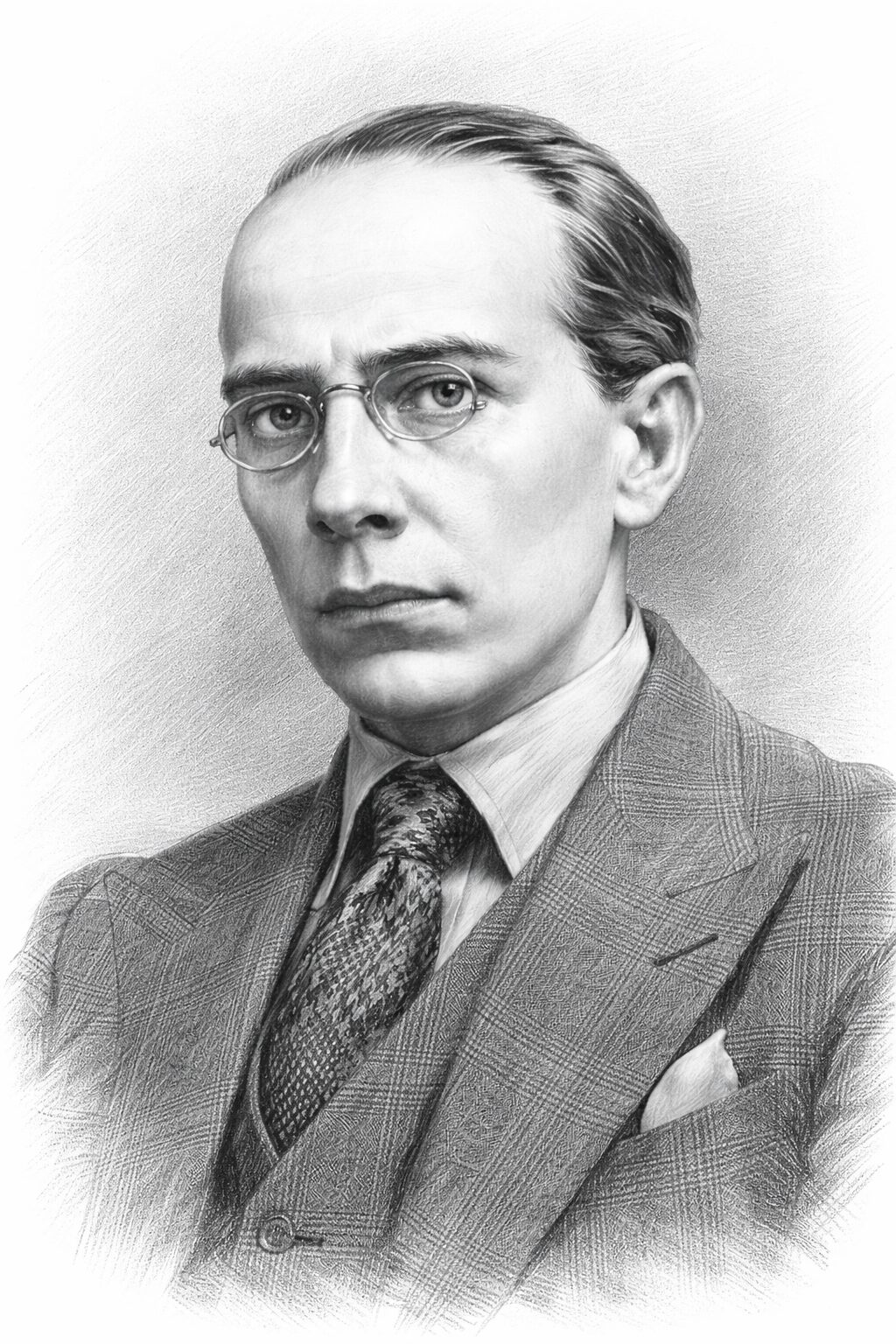
Alexander Belyaev is known as the father of Soviet science fiction, but few realize that he created his most famous worlds while being completely immobile. His life was a struggle against his own body, a battle he transformed into legendary books. In his youth, Belyaev contracted tuberculosis of the spine. The disease paralyzed his legs, and he spent six years in bed, three of which were spent in a heavy plaster corset. It was during this time, when he could not move, that he began to travel in his imagination. His famous character Ichthyander from The Amphibian Man became the embodiment of the author’s own dream of the freedom of movement he was denied.
Belyaev possessed an uncanny ability to predict the future. In his books from the 1920s and 1930s, he described things that seemed like pure fantasy at the time: orbital stations, plastic surgery, the use of drones, and even modern methods of organ resuscitation. Scientists were later amazed at how a man cut off from the world by illness could so accurately foresee the development of science.
His most haunting and honest novel, Professor Dowell’s Head, is largely autobiographical. Belyaev wrote that he wanted to convey what a head living separately from a body might feel. When his entire torso was paralyzed, he felt exactly like that: a living mind locked in a motionless shell.
Belyaev’s life ended as harshly as it began. During World War II, he found himself in the occupied city of Pushkin. The writer was too weak to evacuate and died of starvation in 1942. His burial place remains unknown, but his books about the limitless possibilities of the human spirit became classics that are still read today.