
How Tolstoy’s High Ideals Led to His World Fame
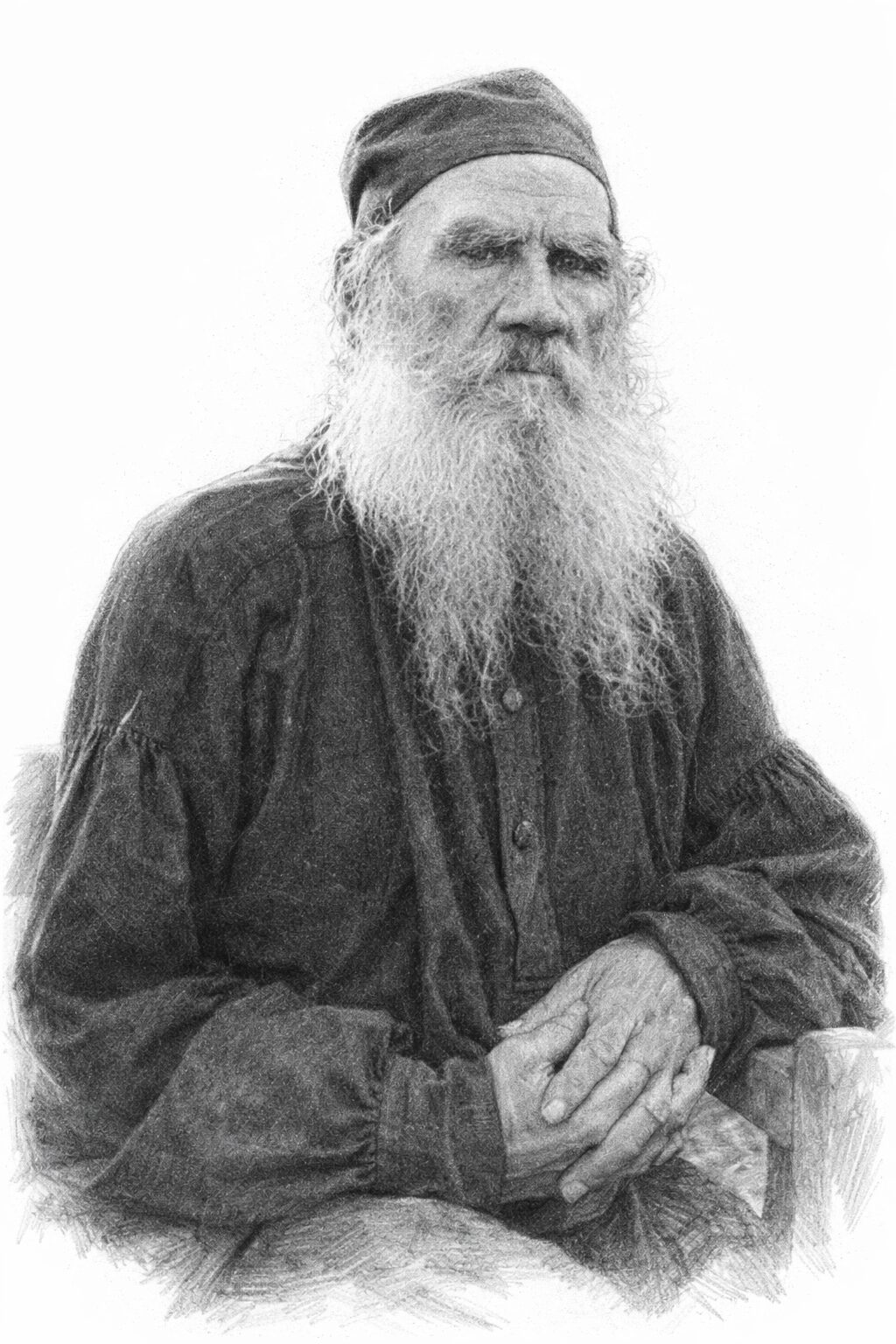
Leo Tolstoy performed an act that still seems like madness to any publisher or author today. In 1891, at the height of his career, he officially announced that he was renouncing the copyrights to all his works written over the previous ten years. He literally allowed anyone in the world to print, translate, and distribute his books for free.
By the age of fifty, Tolstoy had come to the conclusion that selling his thoughts was a form of intellectual dishonesty. He believed that if a book contained the truth, it should belong to all of humanity rather than serving as a source of wealth for the author or his family. This decision was not impulsive; it was the result of a long spiritual crisis and his transition to the ideas of Christian anarchism.
This gesture caused a real war within the Tolstoy household. His wife, Sophia, was horrified because the income from these books was the primary source of their family budget, and she was responsible for the future of their nine children. She could not understand why her husband was willing to give millions to strangers—publishers who would profit from his books anyway—while depriving his own children of their inheritance. These disputes over copyrights lasted for decades and became one of the reasons why the eighty-two-year-old writer eventually fled his home in secret just before his death.
Tolstoy remained consistent in his ideals. He rejected not only future royalties but also the Nobel Prize in 1906, using his connections in Sweden to ensure the award passed him by. He sincerely believed that money was an evil that corrupted the soul, while fame was merely a burden that hindered true freedom.
Thanks to this radical decision, Tolstoy’s books became incredibly accessible. In Russia, cheap editions of his stories began to appear, costing only a few kopecks and selling at every local fair. Tolstoy became the most widely read author not only among the aristocracy but also among simple workers and peasants. He proved that ideas could be more powerful than capital, and he remains in history not as a businessman, but as a prophet for whom conscience was far more important than profit.