
How the Soviet Government Turned the Queen of Literature into a Beggar
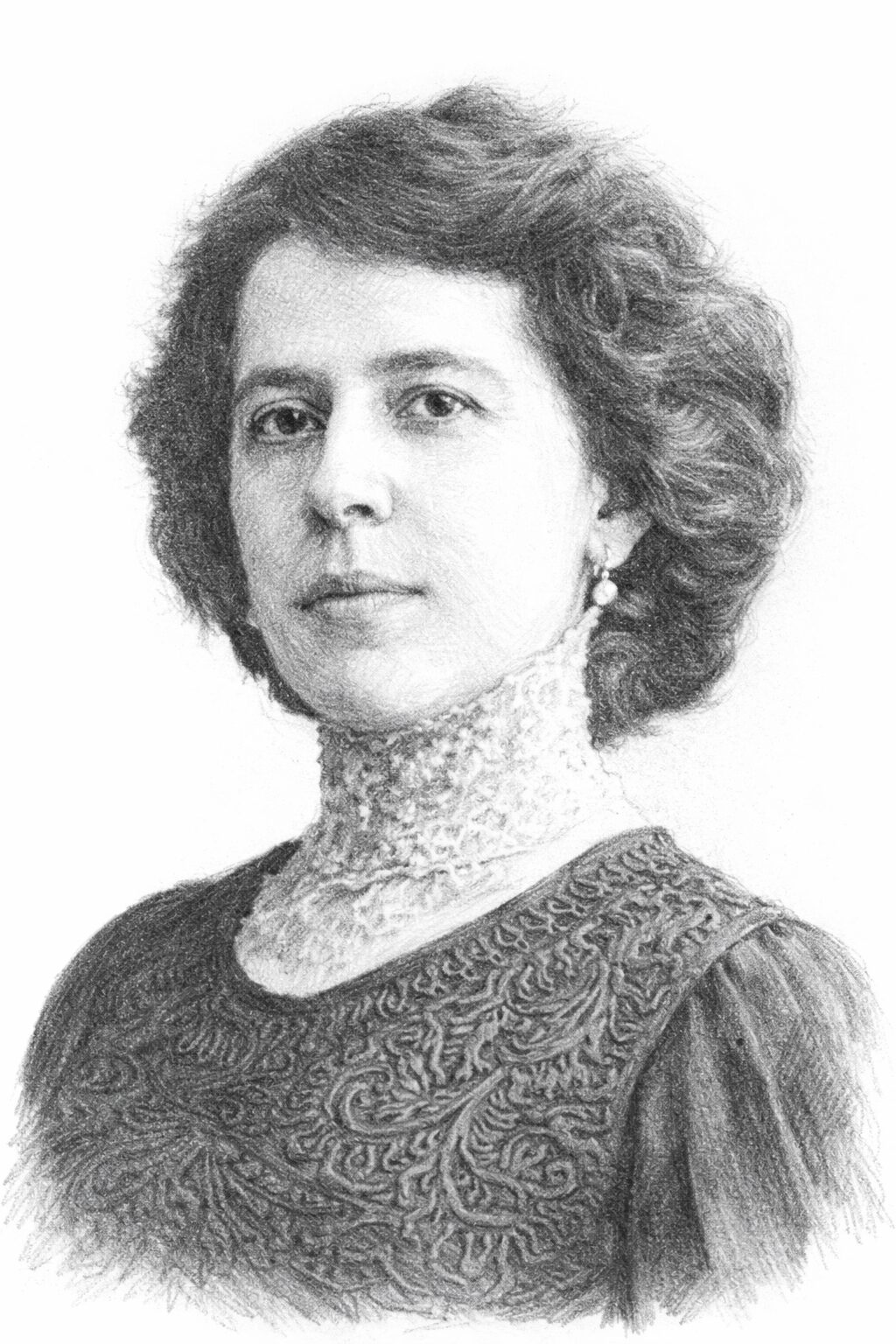
In the early 1900s, Lydia Charskaya was the most read author in the Russian Empire. A 1911 survey of schoolgirls showed she was more popular than Tolstoy, Pushkin, or Chekhov. Her books for children and teenagers were published in massive editions and sold out instantly. Her work was officially approved by the Romanov family, and the daughters of Tsar Nicholas II were her regular readers. This high-level patronage later became a primary reason for her persecution by the new government.
After the 1917 Revolution, the Soviet authorities labeled Charskaya’s work bourgeois poison and harmful to the socialist upbringing of children. In 1918, her books were banned from all Soviet libraries. During the 1920s, all her existing copies were removed and destroyed. Her name was included in the official lists of prohibited authors, making it impossible for her to publish new works.
While her books were still being read in secret in private collections, the author herself was left with no means of survival. She lived in a single unheated room in Leningrad. Because she was considered an alien element as a former actress and bourgeois writer, she was denied a full pension. To avoid starvation, she had to rely on food brought to her by young fans who visited her in secret.
Lydia Charskaya died in 1937 in extreme poverty. For nearly 70 years, her name was officially erased from the history of Russian literature. It was only after the fall of the Soviet Union that her books were allowed to be printed again.