Description
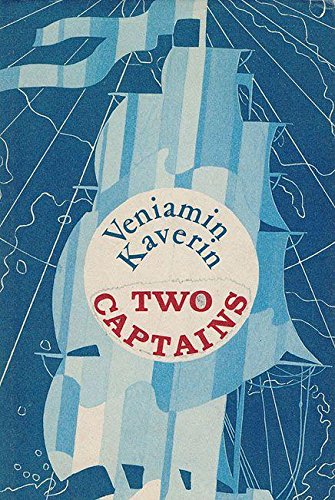
This is the epic story of Sanya Grigoryev, a resourceful boy from a provincial town who grows up mute, but one day finds a packet of letters that become his destiny. The letters contain the last testament of the brave Arctic explorer, Captain Tatarinov, whose expedition was lost without a trace.
From that moment on, Sanya’s life is consumed by a single vow: to find the lost expedition and uncover the truth behind the captain’s death, believing a hidden crime has been committed. The path from a troubled childhood in a communal apartment to a renowned polar pilot is filled with adventures, betrayals, and deep love for Katya Tatarinova, the missing captain’s daughter. Spanning decades—from pre-revolutionary Russia to the Great Patriotic War—the novel masterfully weaves together a thrilling detective plot, a story of moral growth, and a beautiful romance, all united by the enduring, heroic motto of its main characters.
Browse the table of contents, check the quotes, read the first chapter, find out which famous book it is similar to, and buy “Two Captains” on Amazon directly from our page.
FAQs
Is the book only available for purchase on Amazon?
Yes, we sell books from there.
What famous work is this similar to?
The Count of Monte Cristo by Alexandre Dumas. Both narratives are epic tales of a young, unjustly harmed protagonist who dedicates his entire life to seeking justice, unraveling a past tragedy, and finding love, driven by a powerful vow made in youth.
Part 1. Childhood
Chapter 1. A Letter. For a Blue Crayfish
Chapter 2. Father
Chapter 3. Troubles
Chapter 4. The Village
Chapter 5. Doctor Ivan Ivanych. Learning to Speak
Chapter 6. Father’s Death. I Do Not Want to Speak
Chapter 7. Mother
Chapter 8. Petka Skovorodnikov
Chapter 9. Stick, Stick, Stick, the Fifth, the Twentieth, the Hundredth…
Chapter 10. Aunt Dasha
Chapter 11. Conversation with Petka
Chapter 12. Gaer Kuliy in the Death Battalion
Chapter 13. Long Farewell
Chapter 14. Escape. I am Not Asleep, I Pretend to be Asleep
Chapter 15. To Fight and to Seek, to Find and Not to Yield
Chapter 16. The First Flight
Chapter 17. Empty Talk
Chapter 18. Nikolai Antonych
Part 2. There is Something to Think About
Chapter 1. Listening to Fairy Tales
Chapter 2. School
Chapter 3. The Old Woman from Ensk
Chapter 4. There Was Something to Think About
Chapter 5. Is There Salt in the Snow?
Chapter 6. Going to Visit
Chapter 7. The Tatarinovs
Chapter 8. School Theatre
Chapter 9. Korablev Proposes. Pedagogical Duty
Chapter 10. “Reply with a Refusal”
Chapter 11. Leaving
Chapter 12. A Serious Talk
Chapter 13. Thinking
Chapter 14. A Silver Half-Kopeck
Part 3. Old Letters
Chapter 1. Four Years
Chapter 2. The Trial of Eugene Onegin
Chapter 3. At the Skating Rink
Chapter 4. Changes
Chapter 5. Katya’s Father
Chapter 6. More Changes
Chapter 7. Notes in the Margins. Valya’s Rodents. An Old Acquaintance
Chapter 8. The Ball
Chapter 9. The First Date. Insomnia
Chapter 10. Troubles
Chapter 11. Going to Ensk
Chapter 12. Home
Chapter 13. Old Letters
Chapter 14. Meeting in Cathedral Garden. “Do Not Believe This Man”
Chapter 15. Going for a Walk. Visiting Mother. The Bubenchikoffs. Day of Departure
Chapter 16. What Awaited Me in Moscow
Chapter 17. Valya
Chapter 18. Burning My Bridges
Chapter 19. An Old Friend
Chapter 20. Everything Could Have Been Different
Chapter 21. Marya Vasilyevna
Chapter 22. At Night
Chapter 23. Rules Again. It Is Not Him
Chapter 24. Slander
Chapter 25. The Last Date
Part 4. The North
Chapter 1. Flight School
Chapter 2. Sanya’s Wedding
Chapter 3. Writing to Doctor Ivan Ivanovich
Chapter 4. Receiving a Reply
Chapter 5. Three Years
Chapter 6. At the Doctor’s
Chapter 7. Reading Diaries
Chapter 8. The Doctor’s Family
Chapter 9. “We Have Met, Haven’t We…”
Chapter 10. Good Night!
Chapter 11. The Flight
Chapter 12. The Blizzard
Chapter 13. What a Primus Stove Is
Chapter 14. An Old Brass Boat Hook
Chapter 15. Vanokan
Part 5. For the Heart
Chapter 1. Meeting Katya
Chapter 2. Korablev’s Anniversary
Chapter 3. Untitled
Chapter 4. Much News
Chapter 5. At the Theatre
Chapter 6. Much News Again
Chapter 7. “We Have a Guest”
Chapter 8. True to Memory
Chapter 9. Everything is Decided, She is Leaving
Chapter 10. On Sivtsev Vrazhek
Chapter 11. A Day of Worries
Chapter 12. Romashka
Part 6, (Told by Katya Tatarinova). Youth Continues
Chapter 1. “You Do Not Know Him”
Chapter 2. At the Dog Playground
Chapter 3. Happy Sailing and Achievements!
Chapter 4. We Drink to Sanya
Chapter 5. Here It Is Written: “The Schooner ‘St. Mary’”
Chapter 6. At Grandmother’s
Chapter 7. Winter
Chapter 8. Leningrad
Chapter 9. Meeting
Chapter 10. Night
Chapter 11. Sister
Chapter 12. The Last Farewell
Chapter 13. Little Petya
Chapter 14. Night Guest
Chapter 15. Youth Continues
Chapter 16. “I See You With the Little One in Your Arms”
Part 7. Separation
Chapter 1. Five Years
Chapter 2. What Grandmother Told
Chapter 3. “Remember, You Believe”
Chapter 4. “We Will Definitely See Each Other, But Not Soon”
Chapter 5. Brother
Chapter 6. Now We Are Equal
Chapter 7. “To Ekaterina Ivanovna Tatarinova-Grigoryeva”
Chapter 8. The Doctor Did It
Chapter 9. Retreat
Chapter 10. And Life Goes On
Chapter 11. Dinner. “It is Not About Me”
Chapter 12. I Believe
Chapter 13. Hope
Chapter 14. Losing Hope
Chapter 15. May My Love Save You!
Chapter 16. Forgive Me, Leningrad!
Part 8, (Told by Sanya Grigoryev). To Fight and to Seek
Chapter 1. Morning
Chapter 2. He
Chapter 3. Everything We Could
Chapter 4. “Is That You, Owl?”
Chapter 5. Old Scores
Chapter 6. The Girls from Stanislav
Chapter 7. In the Aspen Grove
Chapter 8. No One Will Know
Chapter 9. Alone
Chapter 10. Boys
Chapter 11. About Love
Chapter 12. In the Hospital
Chapter 13. The Verdict
Chapter 14. Searching for Katya
Chapter 15. Meeting with Hydrographer R
Chapter 16. The Decision
Chapter 17. Friends Who Were Not Home
Chapter 18. An Old Acquaintance. Katya’s Portrait
Chapter 19. “You Will Not Kill Me”
Chapter 20. The Shadow
Part 9. To Find and Not to Yield
Chapter 1. Wife
Chapter 2. Nothing is Over Yet
Chapter 3. Free Hunting
Chapter 4. The Doctor Serves in Polyarny
Chapter 5. For Those at Sea
Chapter 6. Great Distances
Chapter 7. In the Arctic Again
Chapter 8. Victory
Part 10. The Last Page
Chapter 1. The Solution
Chapter 2. The Most Incredible Thing
Chapter 3. It Was Katya
Chapter 4. Farewell Letters
Chapter 5. The Last Page
Chapter 6. Return
Chapter 7. Two Conversations
Chapter 8. The Report
Chapter 9. And the Last One
Epilogue
To fight and to seek, to find and not to yield.
There comes joy after grief, a meeting after parting. Everything will be fine, because the fairy tales we believed in still live on Earth.
It is not easy to remain brave when you know that a long and difficult road lies ahead.
Life is an amazing thing, a road from a small station to a huge ocean.
Be loyal to your cause and brave enough to admit your mistakes.
Part 1. Childhood
Chapter 1. A Letter. For a Blue Crayfish
I remember a spacious, dirty yard and low houses enclosed by a fence. The yard stood right by the river, and in the spring, when the high water receded, it would be strewn with wood chips and shells, and sometimes with other, much more interesting things. For instance, once we found a bag tightly packed with letters, and then the water brought and gently laid the postman himself on the bank. He was lying on his back, his hands flung out as if shielding himself from the sun, quite young, fair-haired, in a uniform tunic with shining buttons: he must have cleaned them with chalk before setting out on his last trip.
A policeman took the bag, and the letters, since they were soaked and no longer good for anything, were taken by Aunt Dasha. But they were not entirely soaked: the bag was new, leather, and tightly latched. Every evening, Aunt Dasha would read one letter aloud, sometimes just to me, and sometimes to the whole yard. It was so interesting that the old women who came to Skovorodnikov’s house to play kozël (a card game) would drop their cards and join us. One of these letters Aunt Dasha read more often than the others – so often that, eventually, I learned it by heart. Many years have passed since then, but I still remember it from the first word to the last.
“Deeply respected Maria Vasilyevna! I hasten to inform you that Ivan Lvovich is alive and well. Four months ago, in accordance with his instructions, I left the schooner, along with thirteen members of the crew. Hoping to see you soon, I will not tell you about our difficult journey on the drifting ice to Franz Josef Land. We had to endure incredible hardships and deprivations. I will only say that I am the only one from our group who safely (if you don’t count my frostbitten feet) reached Cape Flora. The St. Foka of Lieutenant Sedov’s expedition picked me up and took me to Arkhangelsk. I survived, but it seems I must regret it, as I am facing an operation in the coming days, after which I can only rely on the mercy of God, and I do not know how I will live without my feet. But this is what I must inform you: the St. Mary froze in the Kara Sea and has been continuously drifting north with the polar ice since October 1913. When we left, the schooner was at latitude 82°55′. It stands peacefully among the ice field, or rather, it stood from the autumn of 1913 until my departure. Perhaps it will break free this year, but, in my opinion, it is more likely in the future, when it will be approximately where the Fram broke free. The remaining crew still has enough provisions to last until October–November of next year. In any case, I hasten to assure you that we did not abandon the ship because its situation was hopeless. Of course, I had to carry out the ship’s commander’s orders, but I will not hide the fact that it met my own wishes. When I left the ship with thirteen sailors, Ivan Lvovich entrusted me with a package addressed to the now deceased Head of the Hydrographic Department, and a letter for you. I dare not send them by mail, because being alone, I value every proof of my honest conduct. Therefore, I ask you to send for them or come personally to Arkhangelsk, as I must spend at least three months in the hospital. I await your reply. With complete respect, ready to serve, navigator of long-distance sailing, I. Klimov.”
The address was washed away by water, but it was still visible that it was written in the same firm, direct handwriting on the thick, yellowed envelope.
This letter must have become a kind of prayer for me – every evening I repeated it, waiting for my father to come home.
He returned late from the pier: steamers now came every day and loaded not flax and bread, as before, but heavy boxes of cartridges and artillery parts. He would arrive – bulky, stocky, moustached, in a small cloth cap, wearing canvas trousers. Mother talked and talked, while he silently ate and only coughed occasionally and wiped his moustache. Then he would take the children – me and my sister – and tumble onto the bed. He smelled of hemp, sometimes apples, bread, and sometimes some rancid machine oil, and I remember feeling bored by that smell.
I think it was on that unhappy evening, lying next to my father, that I first consciously registered my surroundings. A small, cramped little house with a low ceiling papered with newspaper, with a large crack under the window from which freshness drafts and smells of the river – this is our house. A beautiful dark woman with loose hair, sleeping on the floor on two bags stuffed with straw – this is my mother. Small children’s feet sticking out from under the patchwork quilt – these are my sister’s feet. A thin, dark boy in large trousers who, trembling, climbs out of bed and creeps out into the yard – that is me.
A suitable spot had long been chosen, the rope saved up, and even the brushwood piled up near the Breach; all that was missing was a piece of rotten meat to go after the blue crayfish. In our river, the bottom was multicoloured, and the crayfish came in different colours – black, green, yellow. These would go for frogs, for a campfire. But the blue crayfish – all the boys were firmly convinced of this – would only go for rotten meat. Yesterday, finally, I got lucky: I stole a piece of meat from Mother, and I kept it in the sun all day. Now it was rotten – to be sure of this, I did not even have to touch it…
I quickly ran along the bank to the Breach: the brushwood for the fire was piled up here. In the distance, the towers were visible – the Pokrovskaya Tower on one bank, and the Spasskaya Tower on the other, where a military leather warehouse had been set up when the war began. Petka Skovorodnikov swore that devils used to live in the Spasskaya Tower and that he himself had seen them move to our bank – they moved, sank the ferry, and went to live in the Pokrovskaya Tower. He swore that the devils loved to smoke and drink, that they had pointed heads, and that many of them were lame because they had fallen from the sky. In the Pokrovskaya Tower, they multiplied and on a clear day came out to the river to steal tobacco – which fishermen tied to their nets to bribe the Water Spirit.
In short, I was not very surprised when, blowing on the small fire, I saw a thin black figure in the breach of the fortress wall. “What are you doing here, urchin?” the devil asked, just like people do. Even if I could, I would not have answered anything. I just stared at him and trembled. At that moment, the moon came out from behind the clouds, and the watchman walking around the leather warehouse on the opposite bank became visible – large, bulky, with a rifle sticking out behind his back. “Catching crayfish?” He jumped down easily and squatted by the fire. “Why are you silent, you fool?” he asked sternly. No, it was not the devil! It was a skinny man without a cap, with a cane that he kept tapping against his legs. I did not make out his face, but I did notice that the jacket was worn over his bare body, and a scarf replaced the shirt. “Well, you won’t talk to me, you scoundrel?” He poked me with the cane. “Well, answer! Answer! Or…” Without getting up, he grabbed my leg and pulled me towards him. I mumbled. “Ah, so you are deaf and mute!” He let go of me and sat for a long time, poking the coals with his cane. “A beautiful town,” he said with disgust. “Dogs in every yard; policemen are beasts. Damned crayfish-eaters!” And he started to swear. If I had known what would happen in an hour, I would have tried to remember what he said, though I still could not convey a word to anyone. He swore for a long time, even spat into the fire and gnashed his teeth. Then he fell silent, throwing his head back and hugging his knees. I glanced at him fleetingly and, I think, would have pitied him if he hadn’t been so unpleasant.
Suddenly the man jumped up. A few minutes later, he was already on the pontoon bridge, which the soldiers had recently put up, and then he flashed on the opposite bank and disappeared.
My fire went out, but even without the fire, I saw very clearly that among the crayfish I had already caught quite a few, there was not a single blue one. Ordinary black crayfish, not very large – in the pub, they paid a kopeck a pair for those. A cold wind began to blow from somewhere behind, my trousers billowed out, and I began to freeze. Time to go home! The rope with the meat was cast for the last time when I saw the watchman on the opposite bank running down the slope. The Spasskaya Tower stood high above the river, and a steep bank, strewn with stones, descended from it to the shore. No one was visible on the slope brightly lit by the moon, but for some reason, the watchman took off his rifle on the move. “Stop!” He did not shoot, only clicked the bolt, and at that moment I saw the person he was chasing on the pontoon bridge. I write so carefully because even now I am not sure that it was the man who was sitting by my fire an hour ago. But I seem to see this scene before me: quiet banks, the moonlit road widening directly from me to the barges of the pontoon bridge, and on the bridge, the two long shadows of the running people.
The watchman ran heavily and even stopped once to catch his breath. But it was clearly even harder for the one running ahead, because he suddenly crouched near the railing. The watchman ran up to him, grunted, and suddenly recoiled – he must have been struck from below. And he was still hanging on the railing, slowly sliding down, while the killer had already disappeared behind the fortress wall.
I do not know why, but no one was guarding the pontoon bridge that night: the booth was empty, and there was no one around, only the watchman lying on his side, his hands stretched forward. A large leather shoe lay next to him, and he slowly yawned when, trembling with fear, I approached him. Many years later I learned that many people yawn before death. Then he sighed deeply, as if with relief, and everything became quiet.
Not knowing what to do, I bent over him, ran to the booth – and right there, I saw that it was empty, and returned to the watchman again. I could not even scream, not only because I was mute then, but simply from fear. But then voices were heard from the bank, and I rushed back to the place where I was catching crayfish. Never again did I manage to run with such speed; my chest even ached, and my breath stopped. I did not have time to cover the crayfish with grass, and I lost half of them by the time I got home. But I was not thinking about crayfish then!
With a rapidly beating heart, I quietly opened the door. It was dark in our single room, everyone was sleeping peacefully, no one noticed my departure or return. One more minute, and I was lying in my former place, next to my father. But I could not fall asleep for a long time. In front of my eyes were that bridge illuminated by the moon, and the two long running shadows.
Delivery
We do not manage the fulfillment process; we act solely as an intermediary. The item is shipped directly by Amazon.



Reviews
There are no reviews yet.