Description
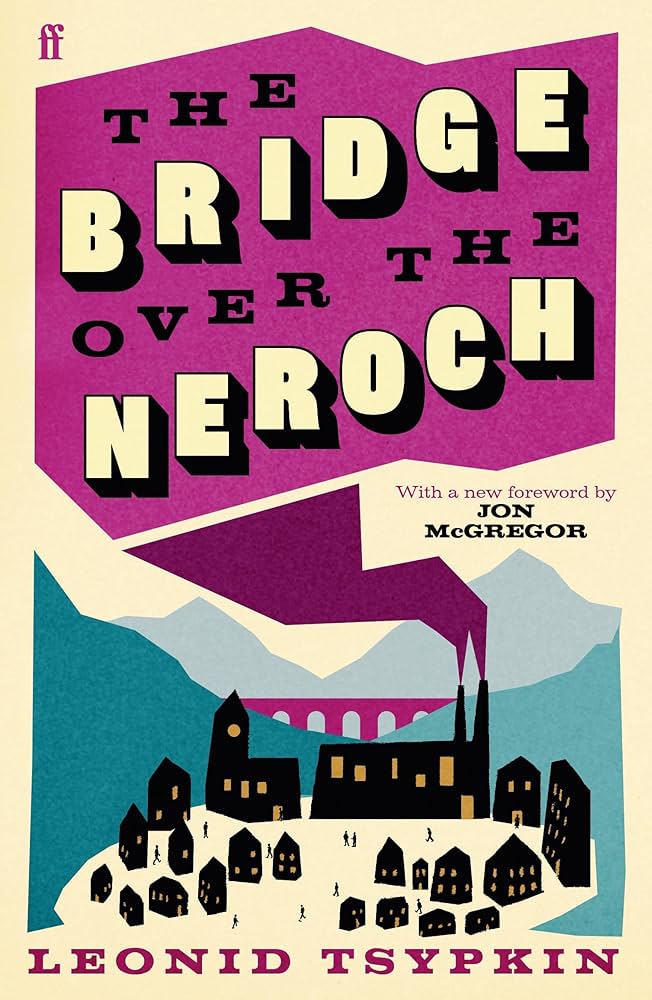
The novella details the author’s childhood in Minsk before the start of the Great Patriotic War. The main events are the boy’s internal experiences and games: he explores the outskirts, fears “scary” places, and searches for adventures.
The plot centers on the child’s attempts to understand the adults—intellectual parents living with the premonition of catastrophe—and the surrounding world full of injustice. The bridge over the Neroch River serves as a symbol for the hero, representing the connection to a world about to be destroyed by war.
Browse the table of contents, check the quotes, read the first chapter, find out which famous book it is similar to, and buy “The Bridge Over the Neroch” on Amazon directly from our page.
This book has 15 chapters without individual titles.
“Memory has no respect for chronology.”
“The most terrible thing is that everything passes, everything. Only the feeling of passing remains.”
“I looked at the water and I thought about how a bridge is the only thing that justifies a river.”
“Childhood is a territory where everything is true, even the lie.”
“And the light that shines in one’s childhood never goes out completely.”
I
The smell of the metro in nineteen seventy-two is the same as the smell of the metro in nineteen thirty-six, and for a second I experience the same feeling of causeless and piercing joy that I felt then, in thirty-six, and it seems to me that right now I will rise to the surface, find myself under the blinding July sun near the “Sokol” metro station — I don’t remember why I was there then — only the blinding sun, the new high-rise buildings I had never seen before, and the taste of the scorching cold that only exists in Moscow, nowhere else — it’s almost a synonym for Moscow, only why can’t I remember the faces of those who rode the metro cars with me, ascended the escalators, or walked the streets. What did they look like? Who did they resemble? The heroes from the films Circus or Jolly Fellows in incredibly wide riding breeches (returned to us again) and uninvited louts with brazen and cheerful faces, filled with faith in a happy future, or Rosenghel—in long dresses, with short haircuts, wide-open eyes turning with astonishment? I strain my memory, but in vain: no faces, no costumes, no people. What is it? — my lack of memory, or the lack of memory in history? And won’t I disappear in exactly the same way, and my fellow passengers in the seventy-two metro car?
Am I to disappear from the memory of the schoolboy in the nylon jacket, sitting opposite me now? — he already has an almost fashionable haircut, and I can already discern in him the features of a student youth, thin and tall, like all this generation, carelessly adjusting his falling hair with a movement of his head, and no longer a student, but a husband — a newlywed with a wedding ring and a shopping bag in his hand, hurrying home with groceries, and he, just like me, will disappear from the memory of those who see him.
And for a moment I imagine all those who remembered this metro car—preoccupied, painfully-just-separated from a woman, or waiting for a rendezvous, talking about the morning planning meeting, riding with blueprints, with folders, with notes, with prepared legal speeches printed on twenty-two pages — a pencil follows the lines and underlines particularly important points that should be emphasized during the session.
For a moment I imagine all of them, lying in uniform poses with their dry hands folded on their chests, their heads thrown back, their faces ascending and yellow — all of them, as if on command, — some earlier, others later — will disappear, leaving nothing behind, and in the same way, the crowds of people strolling along wide streets during holidays will disappear, and sometimes it seems to me that all of them, riding with me in the same car, are just bipeds, dressed in suits, with briefcases and bags in their hands.

Reviews
There are no reviews yet.